§ 5551 H&S
§ 17973
SB 721 Balcony Inspection San Diego
San Diego County, California
Every balcony, deck, stairway, and walkway attached to a San Diego County HOA or multifamily building sits on a state inspection clock — and that clock doesn't pause for budget season or board turnover. This site doesn't run the inspection. It's the fastest way to hand your property's details to a licensed California structural engineer or architect who does, and to get a firm you can put in front of your board or ownership group.
“The inspection came back saying the second-story balcony isn't up to city code. They converted a sun cover into a balcony by adding guard rails, and now I have to figure out who fixes it.” — r/HomeImprovement
Compliance-status ledger
Calls placed to numbers on this site are recorded. Under California Penal Code § 632, a recording disclosure is played to all parties before the call connects.
On the record
Fixed-price written quote for the inspection before anyone sets foot on the property. The number on the proposal is the number on the invoice.
Zero-obligation intake. If the finding is 'no repair required, re-inspect on the statutory cycle,' that is what the report says — in writing, to the board.
A California licensed structural engineer or architect signs the report, with the license number on the document itself. A general contractor's assessment does not satisfy the statute.
Itemized scope: which elevated elements are examined, how many, visual versus invasive, and what is excluded. The inspection is priced as its own line item — never bundled into a repair bid.
Named point of contact with a same-day callback commitment — someone a board or manager can put on a meeting agenda by name, not a dispatch queue.
Written inspection date and report-delivery window, with access, scaffolding, and unit-entry dependencies listed separately — so a board can see which clocks the inspector does not control against a statutory deadline.
The firm inspecting the balcony is not the firm bidding the repair. The report is written to be handed to a second contractor for competitive repair bids — that separation is the whole point of paying for it.
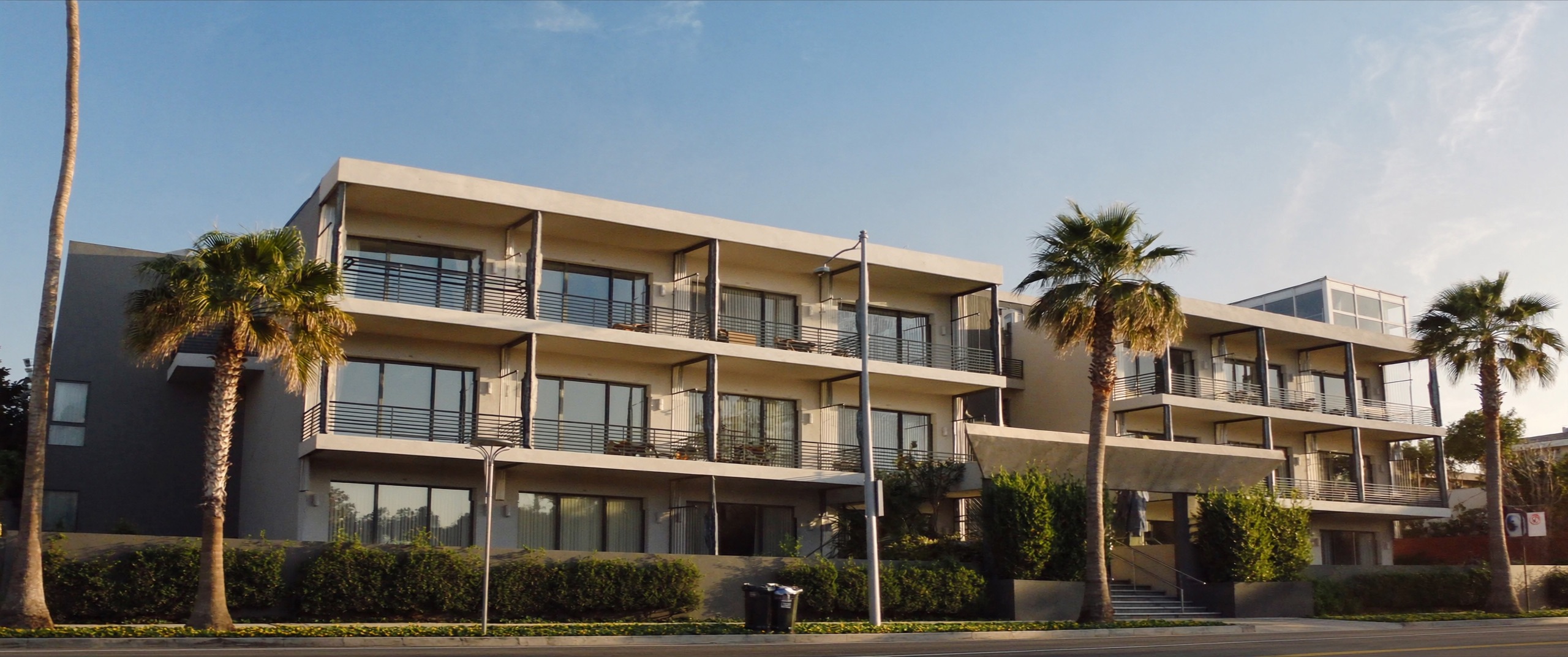
Exterior elevated elements
Balconies, decks, stairways, and walkways — the elements California law places on a recurring statutory inspection cycle.
Compliance register
SB 721 Balcony Inspection San Diego: Compliance Topics
Two statutes, one requirement: a licensed engineer's or architect's stamp on your building's elevated elements, not a contractor's estimate. SB 326 covers HOAs and condominium associations. SB 721 covers multifamily rental buildings with three or more units. Below is what each one actually asks of a board, a manager, or an owner.
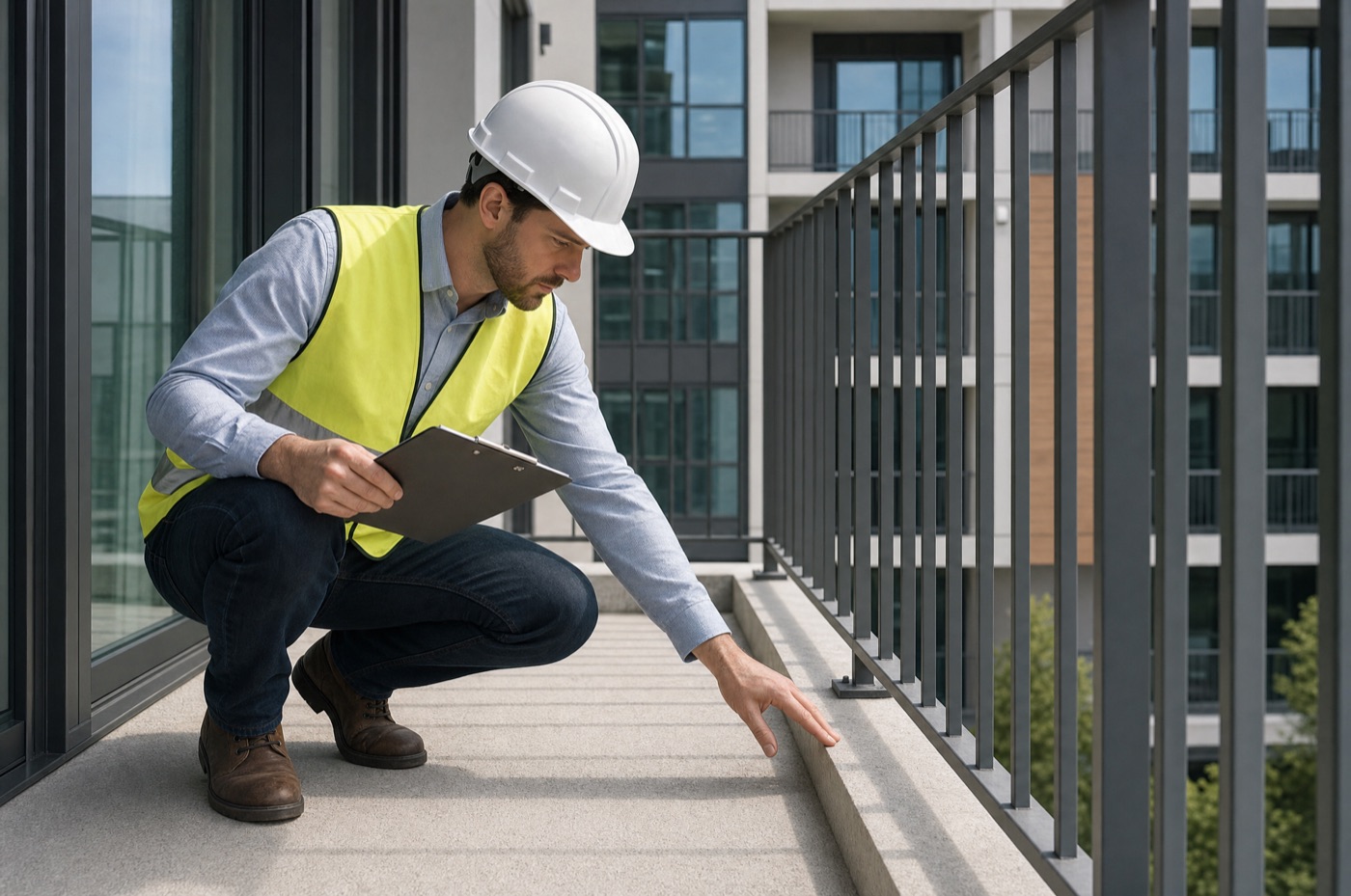
Who performs it
A California licensed structural engineer or architect conducts the inspection and signs the report. A general contractor's assessment does not satisfy the statute.
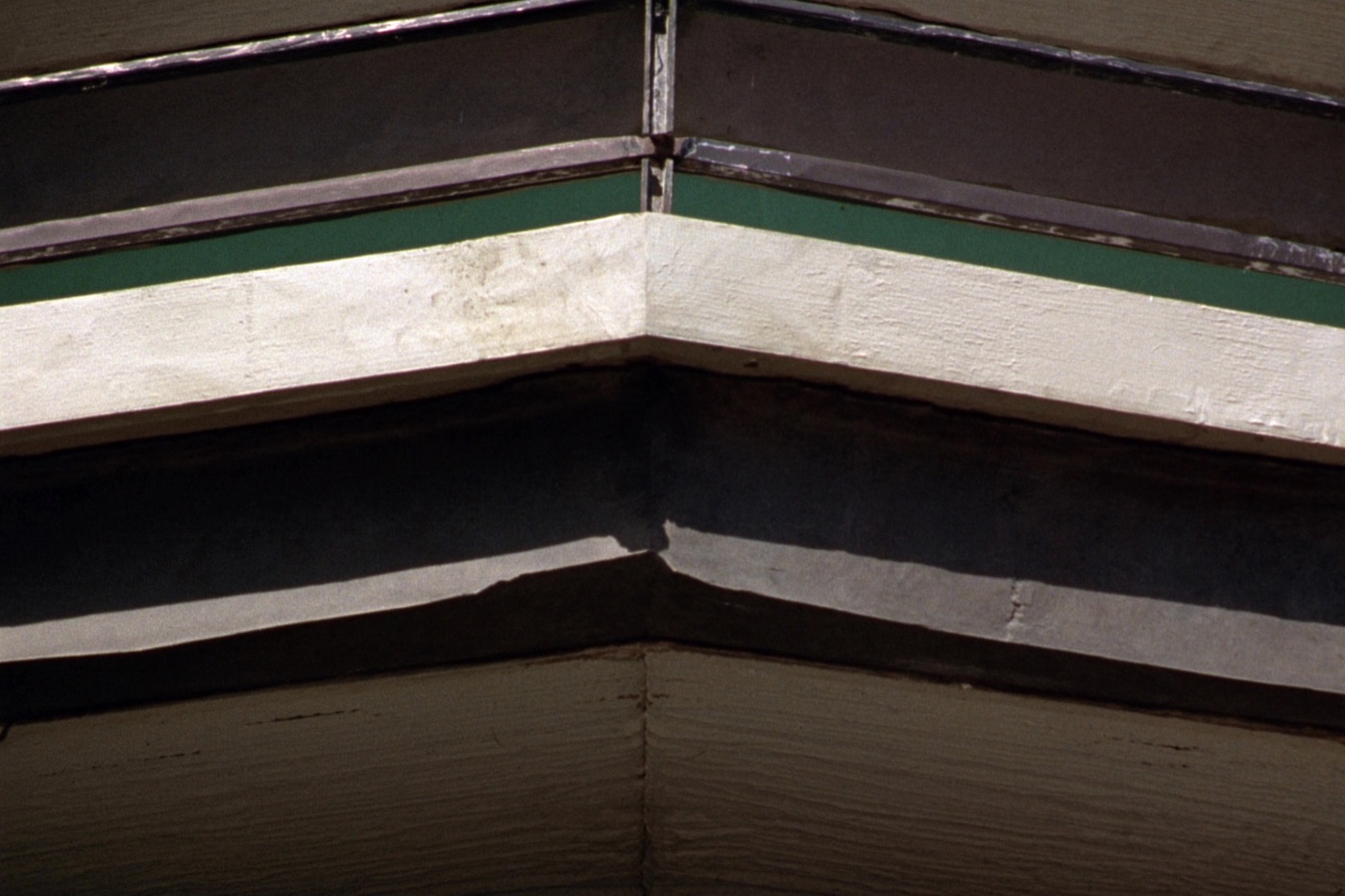
What it covers
Load-bearing components and the associated waterproofing of balconies, decks, stairways, and walkways — plus the inspector's findings on remaining useful life.
Priority routing
SB 721 Balcony Inspection San Diego: Deadline Passed or Approaching?
A missed inspection window is a liability question, not just a paperwork one — for the board, the manager, and the owner on title. Past-due and near-term intakes get routed first.
Good to Know
Frequently Asked Questions (FAQ)
When are the SB 721 and SB 326 balcony inspection deadlines?+
SB 326 required most California HOAs to complete an initial inspection by January 1, 2025, recurring every nine years. SB 721 imposes a comparable recurring cycle on multifamily rental buildings with three or more units. A missed date does not remove the obligation — it accrues. See our deadline guide.
How much does a balcony compliance inspection cost in San Diego?+
Most San Diego properties pay between roughly $1,200 and $3,500 for a full inspection engagement, driven mainly by unit count and how many exterior elevated elements fall into the required sample. Price it as its own line item, separate from any repair bid. Use our cost estimator.
Does my property fall under SB 326 (HOA) or SB 721 (multifamily rental)?+
SB 326 (Civil Code § 5551) governs common-interest developments — HOAs and condo associations. SB 721 (Health & Safety Code § 17973) governs multifamily rental buildings with three or more dwelling units. Ownership structure decides which statute applies, not building type. Compare our SB 326 and SB 721 pages.
What happens after the inspection is complete?+
The licensed engineer or architect delivers a written report with a load-bearing determination and any required findings. SB 326 reports are due to the board within 45 days and disclosed to members within 30 days after that. Any unsafe-condition findings should be paired with a dated remediation plan. See our remediation guide.